


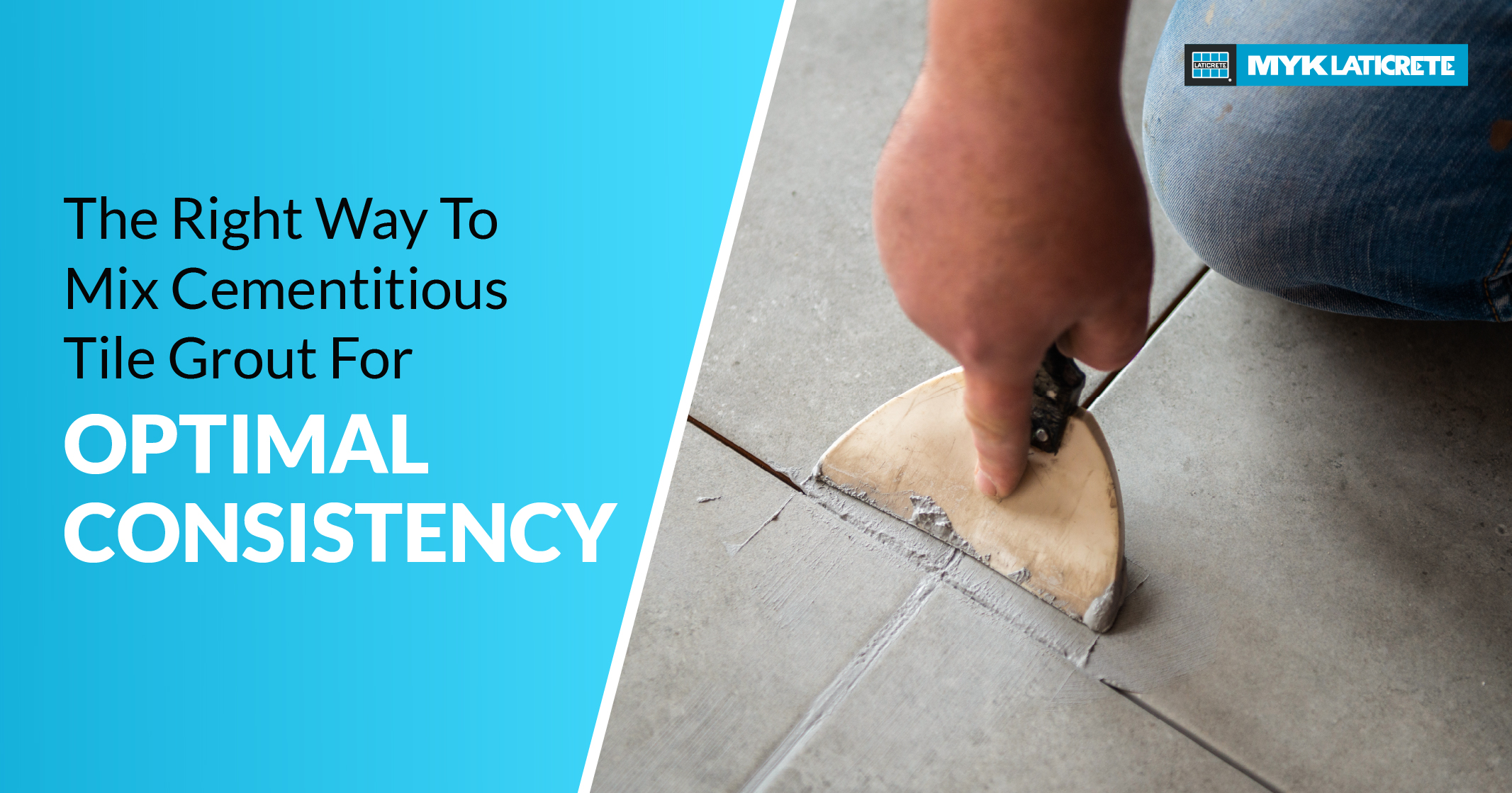
Tile installation is not complete without proper grouting. While tiles provide the visible finish, grout ensures stability, sealing, and overall durability. Among the various grout options available, cement-based formulations remain widely used due to their practicality and ease of application.
However, the performance of cementitious tile grout depends heavily on how it is mixed. Incorrect mixing can lead to weak joints, cracks, and reduced durability. Understanding the correct process for mixing cementitious grout is essential for achieving consistent results and long-term performance.
Understanding Cementitious Tile Grout
Cementitious tile grout is a cement-based material used to fill the gaps between tiles. It is typically composed of cement, fine fillers, and performance-enhancing additives.
Its primary functions include:
- Filling tile joints
- Preventing moisture and dirt penetration
- Supporting tile alignment
- Enhancing the overall finish
Despite its widespread use, cementitious grout is sensitive to mixing accuracy. The quality of the mix directly affects its strength, adhesion, and durability.
Why Proper Mixing Matters
The effectiveness of cementitious tile grout depends on achieving the right balance between water and dry mix.
Improper mixing of cementitious grout can result in:
- Weak bonding and reduced strength
- Cracking or powdering of grout lines
- Uneven colour or patchy appearance
- Reduced resistance to moisture
A well-mixed grout ensures uniform consistency, better workability, and reliable long-term performance.
Tools And Materials Required
Before starting the process of mixing cementitious grout, it is important to have the right tools and materials ready.
Common requirements include:
- Clean mixing bucket
- Measuring container for water
- Mechanical mixer or hand mixing tool
- Grout powder
- A sponge and a clean cloth
Using clean tools is essential to avoid contamination, which can affect the quality of the grout mix.
Step-By-Step Guide To Mixing Cementitious Grout
Following a systematic approach ensures consistent results when working with cementitious tile grout.
Step 1: Measure Water Accurately
Always follow the manufacturer’s recommended water ratio. Adding too much or too little water can compromise the grout’s performance.
Step 2: Add Grout Powder To Water
Pour the grout powder gradually into the measured water while stirring. This helps prevent lumps and ensures even mixing.
Step 3: Mix Thoroughly
Use a mechanical mixer or hand tool to blend the mixture until it becomes smooth and lump-free. Proper mixing of cementitious grout ensures uniform distribution of all components.
Step 4: Allow The Mixture To Rest
Let the mixture sit for a few minutes. This resting period, often called slaking, allows the ingredients to hydrate fully.
Step 5: Remix Before Use
After the resting period, mix the grout again briefly. This step improves workability and consistency before application.
Achieving The Right Consistency
Consistency is a critical factor in the performance of cementitious tile grout.
The ideal mix should be:
- Smooth and lump-free
- Easy to spread
- Firm enough to stay in the joints without sagging
If the mix is too thin, it may weaken after curing. If it is too thick, it can be difficult to apply and may not fill joints properly.
Proper mixing of cementitious grout ensures that the material achieves the right balance between workability and strength.
Common Mistakes To Avoid While Mixing Cementitious Grout
Even minor errors during mixing can lead to significant issues later.
Common mistakes include:
- Adding excess water to improve workability
- Not following the recommended mixing ratio
- Skipping the resting period
- Using dirty or contaminated tools
- Mixing too quickly or unevenly
Avoiding these mistakes is essential for maintaining the integrity of cementitious tile grout.
Environmental Factors That Affect Grout Mixing
External conditions can influence the mixing and performance of grout.
Key factors include:
- Temperature: High temperatures can accelerate drying, while low temperatures can slow down curing
- Humidity: Excess moisture in the air can affect the setting time
- Surface conditions: Absorbent substrates may draw moisture from the grout
Adjusting the mixing process based on site conditions helps achieve better results when mixing cementitious grout.
Tips For Better Grouting Results
To maximise the performance of cementitious tile grout, consider the following best practices:
- Always follow manufacturer guidelines
- Mix small batches to avoid premature setting
- Use clean water and tools
- Apply grout within the recommended time frame
- Ensure proper curing conditions
Additionally, using a compatible bonding layer, such as a cementitious tile adhesive, can enhance overall tile installation performance and support better grout stability.
Conclusion
The quality of grout application is directly influenced by how well it is mixed. Cementitious tile grout offers reliable performance when handled correctly, but improper mixing can compromise its strength and durability.
By following the correct steps for mixing cementitious grout, maintaining accurate ratios, and avoiding common mistakes, installers can achieve consistent results and long-lasting tile joints.
Attention to detail during the mixing stage ensures that the finished tiled surface remains durable, stable, and visually uniform over time.




