


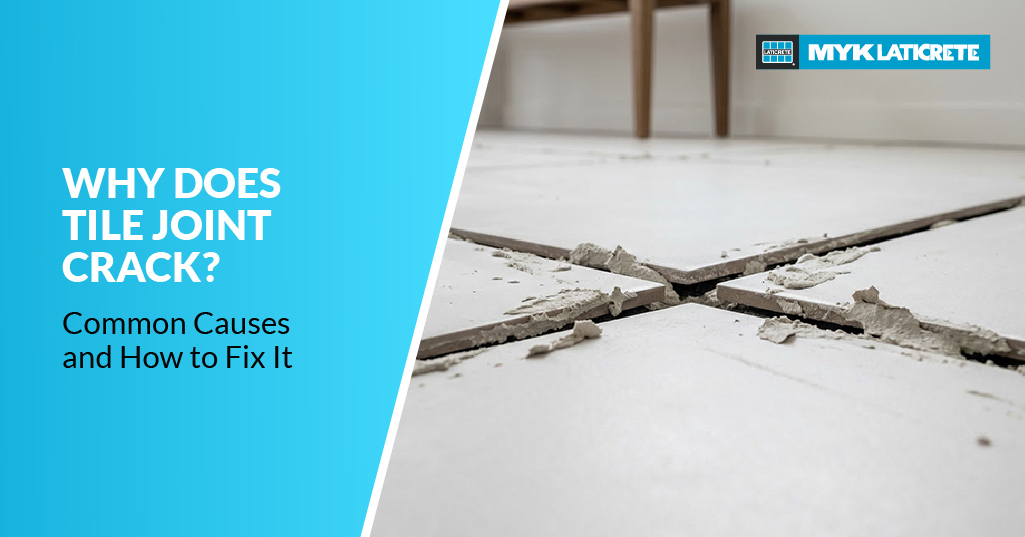
Tile installations are designed to be durable, clean, and long-lasting. Yet, even well-installed tiles can show early signs of wear when joints begin to deteriorate. One of the most common issues homeowners and facility managers encounter is grout cracks.
While cracked grout may initially appear to be a minor cosmetic concern, it often signals deeper installation or structural problems. Understanding why tile joints crack and how to address the issue properly is essential for maintaining both aesthetics and structural integrity.
Understanding grout and its role in tile installations
Grout is the material used to fill the gaps between tiles. Its primary functions include:
- Locking tiles in place
- Preventing dirt and moisture penetration
- Distributing minor stresses across the tiled surface
- Enhancing the overall finish
Although grout contributes to surface stability, it is not designed to absorb significant structural movement. When stress exceeds its capacity, cracks begin to appear in the grout.
Common causes of grout cracks
Cracked tile joints rarely occur without reason. The issue usually stems from one or more underlying factors related to installation quality, structural behaviour, or environmental exposure.
Identifying the root cause is critical before attempting any grout crack repair, as surface patching alone may not provide a long-term solution.
Structural movement and substrate issues
Buildings naturally expand and contract due to temperature changes, humidity variations, and minor foundation shifts. If the substrate beneath the tiles moves excessively, stress transfers to the grout joints.
Common structural causes include:
- Improperly cured concrete
- Weak or uneven subfloors
- Wooden substrates that expand and contract
- Settlement in new constructions
When tiles remain rigid but the base shifts, stress accumulates in the joints, leading to grout cracks. In such cases, simply attempting to repair grout without addressing the structural issue may result in recurring damage.
Poor grout mixing and application
Improper mixing is one of the most overlooked causes of grout failure. If grout is mixed with too much water, it weakens the final structure once cured. On the other hand, insufficient water can prevent proper bonding.
Other application-related errors include:
- Inadequate joint filling
- Failure to compact grout properly
- Rushing the curing process
- Not allowing sufficient drying time
Weak or poorly compacted grout becomes brittle and more prone to cracking. Correct installation practices significantly reduce the need to fix cracked grout later.
Excess moisture and water exposure
Moisture is a major contributor to tile joint deterioration, especially in bathrooms, kitchens, balconies, and outdoor areas.
Continuous exposure to water can:
- Weaken cement-based grout
- Cause expansion and contraction cycles
- Encourage mould growth that breaks down material
If waterproofing beneath the tile system is inadequate, moisture infiltration can worsen grout cracks over time. In such cases, surface-level grout crack repair may not resolve the underlying moisture issue.
Heavy loads and impact stress
Tiled floors in commercial or high-traffic areas often endure substantial loads. Heavy furniture, equipment, or repeated foot traffic places stress on tile joints.
Impact damage, such as dropping heavy objects, can also create sudden fractures in grout lines.
When stress exceeds the grout’s tensile strength, cracks form. If the tiles themselves remain intact, it may be possible to repair grout without replacing tiles.
Lack of expansion joints
Expansion joints are designed to absorb movement in large tiled surfaces. Without them, stress builds across the installation.
In large floor areas or exterior applications, the absence of movement joints often leads to widespread grout cracks. Expansion joints help distribute stress more evenly and prevent concentrated pressure in tile joints.
Ignoring this requirement during installation frequently results in the repeated need to fix cracked grout.
How to fix cracked grout properly
Before beginning any grout crack repair, it is essential to assess whether the issue is cosmetic or structural.
Step 1: Inspect the damage
Determine whether:
- Only the grout is cracked
- Tiles are loose
- There are signs of moisture beneath the surface
If tiles are moving or hollow-sounding, professional intervention may be necessary.
Step 2: Remove damaged grout
Use a grout removal tool to remove the cracked sections carefully. Removing weakened material ensures better bonding for the new grout.
Avoid applying fresh grout over existing cracks, as this will not provide a durable solution.
Step 3: Clean the joints
Dust and debris must be cleared before applying new grout. Proper surface preparation improves adhesion.
Step 4: Reapply grout
Mix grout according to the manufacturer’s instructions and fill the joints. Compact the grout firmly and wipe off excess material.
Allow adequate curing time before exposing the area to moisture or load.
This systematic approach ensures that efforts to repair grout deliver longer-lasting results.
Preventing grout cracks in the future
Preventive measures are always more effective than repeated repairs. Key preventive strategies include:
- Ensuring proper substrate preparation
- Using suitable adhesives and grouts
- Allowing adequate curing time
- Installing expansion joints in large areas
- Implementing proper waterproofing systems
Selecting quality materials and following best installation practices significantly reduces the likelihood of recurring grout cracks.
In high-moisture environments, choosing advanced grout formulations can improve durability and resistance to cracking.
Conclusion
Tile joint cracking is rarely a random occurrence. From structural movement and improper installation to moisture exposure and heavy loads, multiple factors can contribute to grout cracks.
Effective grout crack repair requires identifying the underlying cause before attempting to fix cracked grout. Surface-level patchwork may provide temporary improvement, but long-term durability depends on proper preparation, correct materials, and sound installation practices.
For reliable tile installation systems and high-performance grout solutions, brands such as MYK LATICRETE have products, including epoxy tile grout, that continue to support durable, long-lasting tile applications across residential and commercial spaces.




