


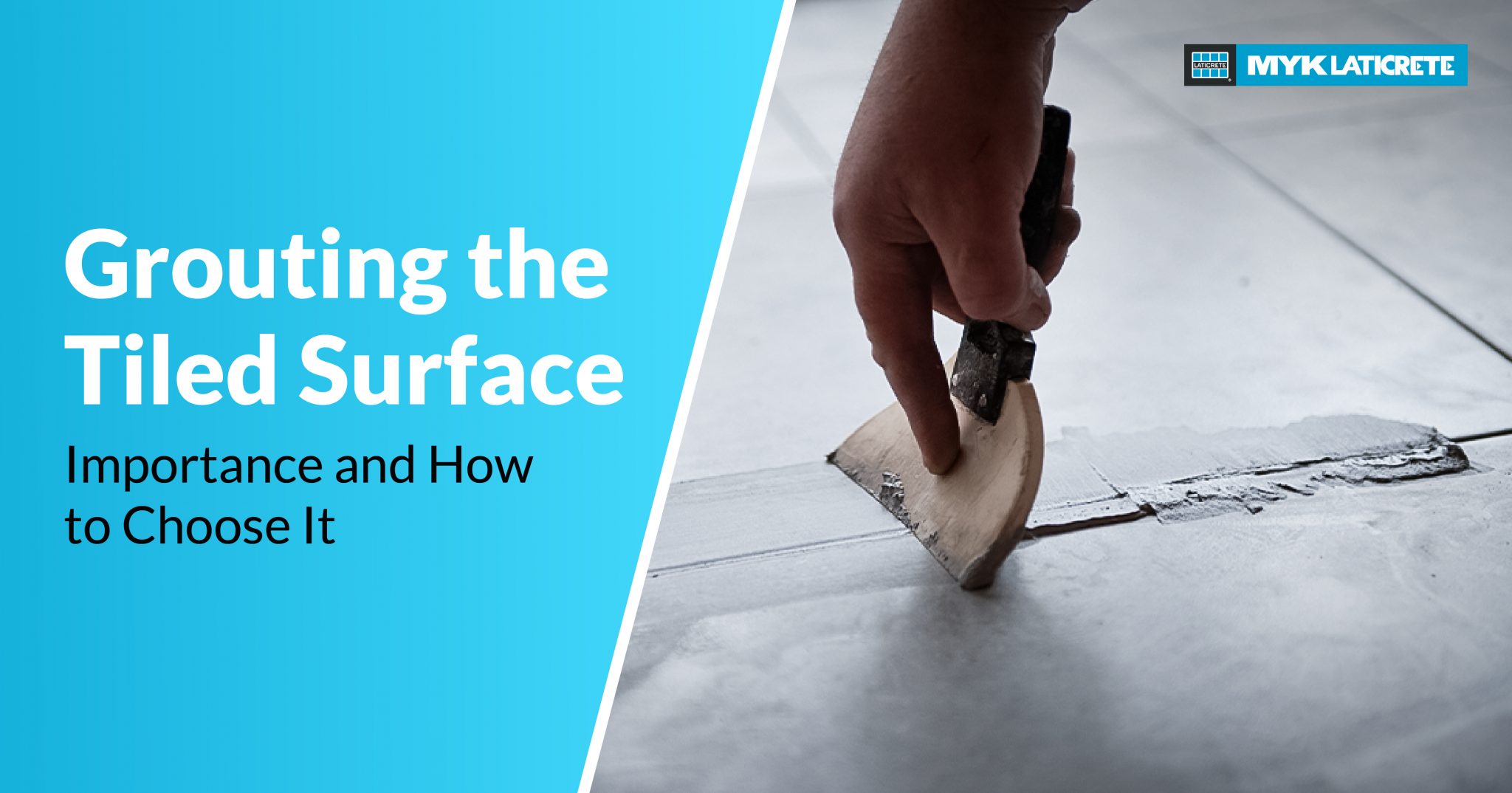
Tiles often take centre stage in any space, but the material that holds everything together quietly is grout. While it may seem like a finishing step, grouting plays a critical role in the durability, hygiene, and long-term performance of tiled surfaces.
From bathrooms and kitchens to commercial spaces, choosing the right grout is essential. Understanding how grout works and how to select the right type, especially when considering options like the best bathroom grout or epoxy grout for shower applications, can significantly impact the outcome of a tile installation.
Understanding The Role Of Grout In Tile Installations
Grout is used to fill the gaps between tiles, but its function goes beyond aesthetics. It helps:
- Lock tiles in position
- Prevent water and dirt from entering joints
- Distribute minor stresses across the tiled surface
- Enhance the overall finish
Although grout is not a structural component, it supports the performance of the entire tile system. The choice of grout directly influences durability and maintenance.
Why Grouting Is Important
Grouting is essential for maintaining both the appearance and functionality of tiled surfaces.
Without proper grouting:
- Water can seep beneath tiles
- Dirt and bacteria can accumulate
- Tiles may loosen over time
- The surface may appear incomplete
In areas like bathrooms, the role of grout becomes even more critical. Selecting the best bathroom grout ensures better resistance to moisture and long-term reliability.
Types Of Grout Used In Tiling
Grout is available in different formulations, each suited to specific applications.
The two most commonly used types are:
- Cementitious grout
- Epoxy grout
Understanding the differences between these options helps in selecting the most appropriate material for the project.
Cementitious Grout
Cementitious grout is the traditional and widely used option. It is made from cement, fillers, and additives that improve workability.
Key characteristics include:
- Easy to mix and apply
- Suitable for most residential applications
- Available in sanded and unsanded variants
However, cementitious grout is porous and may absorb moisture if not sealed properly. In wet areas, additional care is required to maintain performance.
Epoxy Grout
Epoxy grout is a high-performance alternative made from resins and hardeners. It offers superior durability and resistance to environmental factors.
Key features include:
- Low water absorption
- High chemical resistance
- Strong bonding and durability
- Resistance to stains and discolouration
For areas exposed to continuous moisture, such as showers, epoxy grout offers better long-term performance than traditional options.
Factors To Consider When Choosing Grout
Selecting the right grout involves evaluating several factors related to the installation.
Moisture Exposure And Bathroom Applications
Bathrooms, kitchens, and balconies are exposed to constant moisture. In such environments, grout must resist water penetration and prevent damage.
Choosing the best bathroom grout helps:
- Reduce water absorption
- Prevent mold and mildew growth
- Improve hygiene and longevity
For high-moisture zones like bathrooms, kitchens, balconies, terraces, etc., epoxy grout is often preferred due to its non-porous nature.
Tile Type And Joint Width
The type of tile and the width of the joints influence grout selection.
- Narrow joints typically require unsanded grout
- Wider joints may require sanded grout for better strength
- Large-format tiles may require high-performance grout
Matching grout type with tile characteristics ensures better bonding and appearance.
Durability And Maintenance Requirements
Different grout types have varying maintenance needs.
Cementitious grout may require:
- Periodic sealing
- Regular cleaning to prevent staining
Epoxy grout generally requires less maintenance due to its resistance to moisture and stains. While standard cementitious grouts are alkaline and susceptible to erosion from common acidic floor cleaners, Epoxy Grout is chemically resistant. Its non-reactive composition ensures it won’t wash away, offering superior durability and long-term performance.
When durability and low maintenance are priorities, options like epoxy grout for sensitive areas like bathrooms, kitchens, balconies and terraces become more relevant.
Common Grouting Issues And How To Avoid Them
Improper grouting can lead to several issues, including:
- Cracking
- Discolouration
- Shrinkage
- Weak joints
These problems are often caused by:
- Incorrect mixing ratios
- Poor application techniques
- Inadequate curing
- Using unsuitable grout for the environment
Selecting the best bathroom grout and following correct application practices can minimise these issues.
Tips For Selecting The Right Grout
To ensure optimal performance, consider the following:
- Evaluate the area of application
- Assess moisture exposure levels
- Choose grout compatible with the tile type
- Consider long-term maintenance requirements
- Follow manufacturer guidelines
Additionally, selecting the right grout for bathroom, kitchen, balcony, & Terrace applications ensures better performance in moisture-prone areas and supports overall durability.
Conclusion
Grouting is a critical component of any tile installation, influencing both performance and appearance. From preventing moisture damage to maintaining structural stability, its role extends far beyond filling tile joints.
Choosing the right grout depends on understanding the environment, tile characteristics, and maintenance expectations. Whether selecting the best bathroom grout for residential spaces or considering epoxy grout for sensitive areas, informed decisions lead to better outcomes.
A well-chosen grout, combined with proper application, ensures that tiled surfaces remain durable, hygienic, and visually consistent over time.




