


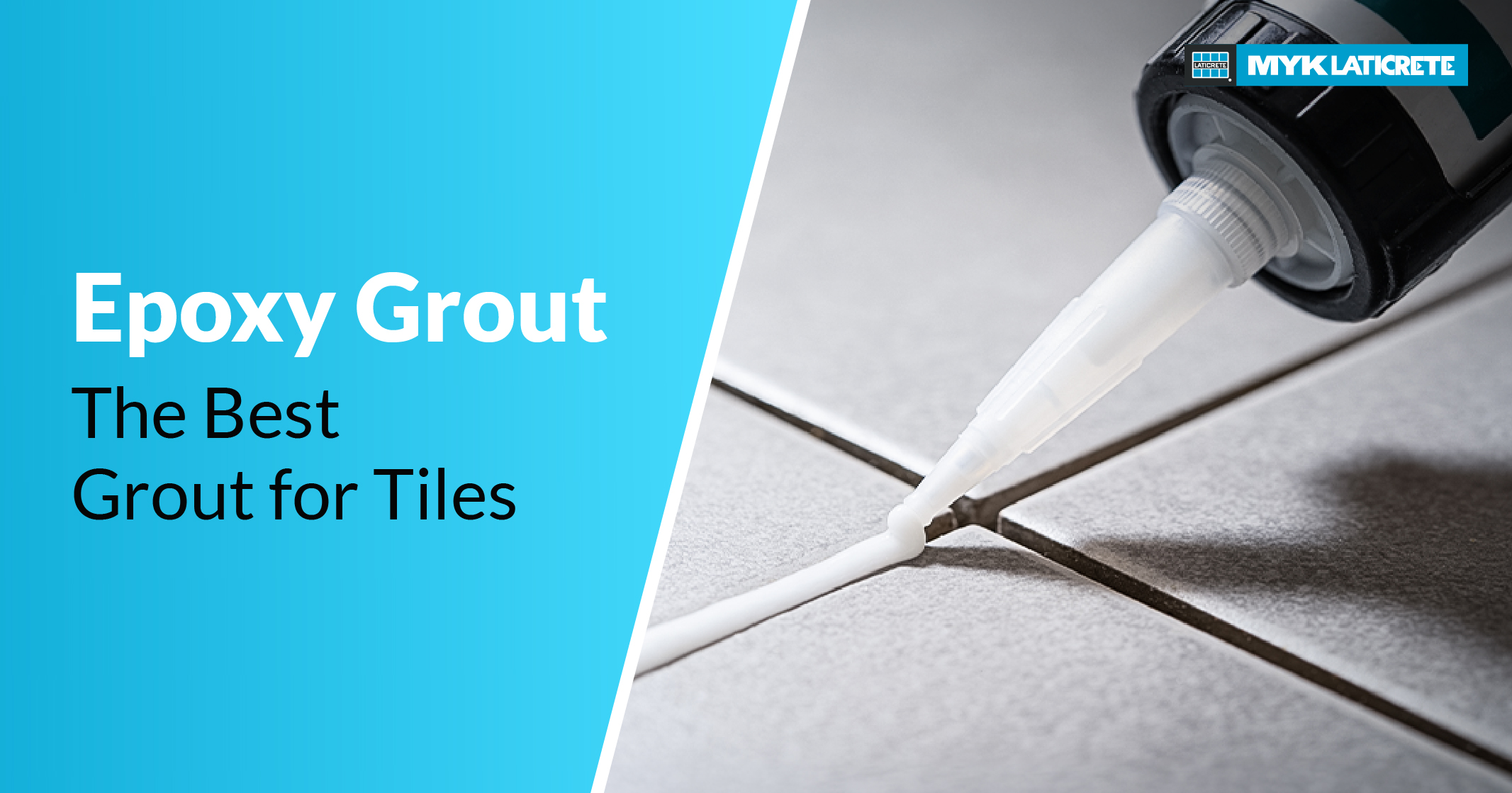
If you are renovating your home or finishing a new build, you have probably spent hours picking the perfect tiles. But most people overlook the material that holds those tiles together. Choosing the right tile grout is the difference between a floor that stays pristine for decades and one that starts crumbling or staining after six months.
While traditional cement options have been the standard for years, epoxy is quickly becoming the top choice for homeowners and contractors alike. This guide breaks down why it might be the best grout for tiles in your next project.
Understanding the Different Types of Grout
Before picking a product, you need to understand the different types of grout available on the market. Not all materials react the same way to moisture, traffic, or chemicals. Generally, you will encounter three main types of tile grout:
| Grout Type | Composition | Best For |
|---|---|---|
| Sanded Grout | Cement and sand | Wide joints 3mm to 12mm, floor tiles. |
| Unsanded Grout | Cement and pigments | Narrow joints 1mm to 3mm, polished stone, or wall tiles. |
| Epoxy Grout | Epoxy resin and hardener | Areas needing high durability and water resistance. |
Standard cement grouts are porous. They act like a sponge, soaking up dirty mop water, spilt coffee, or bathroom moisture. Over time, this leads to mould and cracking. Epoxy, however, is a non-porous chemical bond that creates a plastic-like seal between your tiles.
What Makes Epoxy Grout Different?
When looking at the various types of grout, epoxy stands out because it does not rely on water to cure. Instead, a chemical reaction occurs between a base resin and a hardener. This makes the final product almost completely waterproof and incredibly strong.
When people ask for the best grout for tiles, they usually want something that won’t change colour. Because epoxy is non-porous, the pigment is locked in. It won’t fade from UV exposure or turn grey from foot traffic. It also has a high compressive strength, meaning it can handle the weight of heavy furniture or industrial equipment without shrinking or cracking.
The Pros and Cons of Epoxy Grout for Tiles
While epoxy grout for tiles is a high-performance material, it is important to weigh the benefits against the practical realities of using it.
The Advantages:
- Stain Resistance: Spilt wine or grease stays on the surface rather than soaking in.
- Zero Sealing Required: Unlike cement, you never need to apply a sealer to epoxy.
- Hygiene: Since it does not absorb water, mold and bacteria have nowhere to grow.
- Chemical Strength: It resists harsh household cleaners that would typically erode cement joints.
The Disadvantages:
- Price: It costs significantly more than cement-based options.
- Difficulty: It requires trained applicators to avoid errors and rework. It has a limited “pot life,” meaning it begins to harden once mixed.
- Clean-up: If you leave a residue (haze) on the tiles, it is very difficult to remove once it cures.
Where Should You Use It?
You do not necessarily need epoxy in every room of the house. However, in certain areas, it is almost a necessity.
- Bathrooms and Showers: This is the most common use case. Because it is waterproof, it protects your subfloor from leaks and prevents the “black mould” look that ruins many showers.
- Kitchen Backsplashes: Grease and food splatters are easy to wipe off epoxy, keeping your kitchen looking new.
- High-Traffic Entryways: If people are walking over the floor with muddy shoes daily, epoxy will hold its colour far better than any other material.
- Outdoor Areas: High-quality epoxy grout can withstand temperature changes and weather better than brittle cement.
- Balcony & Terraces: UV-resistant epoxy grout works really well and forms a shield layer for the waterproofing membrane, thus further reducing the chances of water seepage
The Installation Challenge
Applying epoxy grout for tiles is a race against the clock. Once the two/three parts are mixed, you usually have about 30 to 45 minutes to get it into the joints and clean the tile surface.
If you are a DIYer, work in small sections. Do not mix the entire bucket at once. Use a rubber float to pack the joints tightly and keep a bucket of clean water and a specialised sponge nearby. You must wash the tiles multiple times to ensure no resin film remains. Most professionals use a manufacturer-recommended cleaner to get the final “haze” off the tile surface.
Which Grout is Right for You?
Deciding on the best grout for tiles depends on your budget and how much maintenance you are willing to do. If you want a “set it and forget it” solution that stays clean for ten years, epoxy is the winner. If you are on a tight budget and don’t mind sealing your floors every year, a premium cement grout can still do a decent job.
However, for wet areas and kitchens, the extra upfront cost of epoxy usually pays for itself in a few years because you won’t need to hire professional cleaners to scrub your grout lines.
Conclusion
At MYK Laticrete, we have spent decades developing tiling solutions that stand up to real-world challenges. We understand that a tile installation is only as good as the grout that protects it. Our range of epoxy grout for tiles is designed to offer the highest levels of durability while remaining as user-friendly as possible for installers.
Whether you are looking for a vibrant colour to match a modern design or a heavy-duty industrial filler, our epoxy products provide a waterproof, stain-resistant finish that eliminates the need for periodic sealing. Choosing the right material from the start ensures your surfaces remain hygienic and beautiful for the lifetime of the building. Explore our full range of solutions to find the perfect fit for your next project.




