


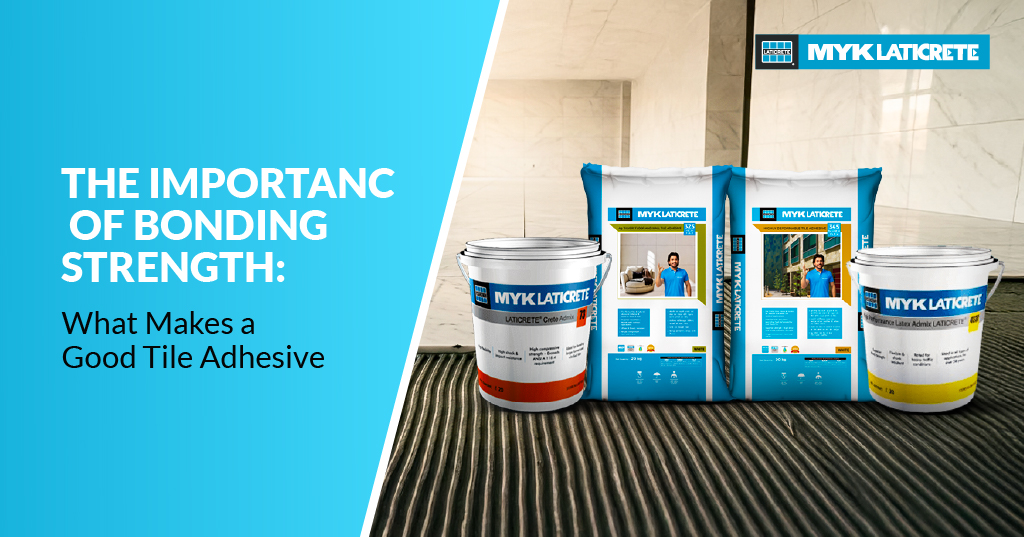
Tiles define the visual identity of a space. From contemporary living rooms to high-moisture bathrooms and heavy-duty commercial floors, they combine aesthetics with functionality. However, behind every flawless tile installation lies a critical factor that is often overlooked- bonding strength.
The true performance of any tiling project depends not just on the tile itself but on the adhesive that holds it in place. Understanding what makes a good tile adhesive is essential for ensuring durability, safety, and long-term performance.
Why Bonding Strength Matters
Bonding strength refers to the adhesive’s ability to firmly anchor tiles to the substrate. Poor bonding can result in:
- Tile debonding
- Hollow sounds beneath tiles
- Cracks or surface damage
- Water seepage
- Expensive rework
Traditional sand-cement mortar relies heavily on manual mixing accuracy and surface conditions. Variations in thickness, curing time, and workmanship often affect performance. Modern adhesives, on the other hand, are formulated for consistent bonding strength and predictable results.
A high bond adhesive ensures that tiles remain secure even when exposed to movement, vibration, temperature changes, or moisture.
What Makes a Good Tile Adhesive
A good tile adhesive is not defined by stickiness alone. It is a combination of performance characteristics designed to meet varied site conditions.
1. Strong initial grab and long-term adhesion
The adhesive must offer excellent initial tack to hold tiles in position without slipping, especially for wall applications. At the same time, it must maintain strong adhesion over the years of usage.
This becomes particularly important for:
- Large format tiles
- Heavy vitrified tiles
- Natural stone installations
- Vertical surfaces
The best tile adhesive cement is engineered to support both immediate handling strength and durable long-term bonding.
2. Flexibility to handle movement
Buildings naturally expand and contract due to temperature changes and structural movement. Rigid bonding materials may crack under stress.
A high-bond adhesive typically incorporates polymer modification that enhances flexibility. This allows the adhesive layer to absorb minor movements without compromising the bond between tile and substrate.
This flexibility is especially important for:
- Exterior walls
- Terraces
- High-traffic commercial floors
- Areas exposed to sunlight
3. Compatibility with different substrates
Modern construction uses diverse substrates such as:
- Concrete
- Cement screeds
- Gypsum boards
- Existing tile surfaces
- AAC blocks
A good tile adhesive must be compatible with multiple surfaces and maintain consistent bonding strength across them. Surface preparation remains important, but a well-formulated adhesive reduces the risks associated with varying site conditions.
5. Reduced shrinkage and cracking
Cement-based mortars may shrink during curing, creating internal stress. This can compromise bonding strength.
Advanced tile adhesives are formulated to control shrinkage, resulting in uniform bonding and reduced internal stress. This improves durability and prevents micro-cracks beneath the tile surface.
6. Ease of application and workability
While performance is critical, workability also plays a significant role in achieving optimal bonding strength.
A good tile adhesive should provide:
- Smooth trowelability
- Adequate open time
- Easy adjustment of tiles
- Minimal sag for vertical applications
Controlled open time allows installers to work efficiently without rushing, ensuring proper contact between tile and adhesive.
The Role of Adhesive Classification
Tile adhesives are commonly classified based on performance standards such as tensile adhesion strength and slip resistance. Selecting the correct grade is essential.
For instance:
- Standard adhesives for ceramic tiles on interior walls
- Improved adhesives for vitrified tiles
- Flexible adhesives for exterior and high-stress areas
Using the best tile adhesive suited to the tile type and application area ensures long-term performance and reduces failure risks.
How Bonding Strength Affects Tile Longevity
Bonding strength directly influences:
- Load-bearing capacity
- Resistance to impact
- Durability under traffic
- Resistance to environmental stress
In commercial spaces such as malls, hospitals, or airports, floor tiles experience constant movement and heavy loads. A weak adhesive layer can compromise the entire installation.
In residential spaces, poor bonding may not be immediately visible but can lead to hollow tiles, cracks, and eventual detachment.
Choosing a high-bond adhesive helps preserve both structural integrity and aesthetic appeal.
Why Modern Construction Demands Advanced Adhesives
Tile sizes have increased significantly over the years. Large-format tiles are now common in both residential and commercial interiors.
Larger tiles mean:
- Greater weight
- Reduced grout joints
- Higher stress concentration
Traditional mortar methods are often insufficient for such applications. The demand for a good tile adhesive that offers superior bonding strength, flexibility, and uniform coverage has therefore grown substantially.
Additionally, faster construction timelines require materials that deliver reliable performance without extended curing delays.
Choosing the Right Adhesive for Your Project
Selecting the best tile adhesive depends on several factors:
- Tile type and size
- Application area
- Substrate condition
- Indoor or outdoor installation
Consulting product specifications and performance standards ensures that the adhesive selected matches project requirements.
A good tile adhesive is not merely about immediate bonding. It is about ensuring that the installation performs consistently for years without failure.
Conclusion
Bonding strength is the foundation of every successful tile installation. While tiles enhance visual appeal, the adhesive ensures structural reliability.
A high bond adhesive delivers durability, flexibility, and resistance to environmental stress. It prevents costly repairs and safeguards long-term performance.
As construction practices evolve, the importance of choosing the best tile adhesive becomes even more critical. Investing in a good tile adhesive is not just a technical decision. It is a commitment to quality, safety, and longevity.
In modern tiling projects, strength beneath the surface defines the true value of the finish above it. MYK LATICRETE has built its reputation on delivering advanced tile and stone installation systems tailored to modern construction needs. By offering products designed for specific tile types and environmental conditions, the brand supports professionals in achieving reliable, long-lasting installations.




